Reflecting on a school year is always a delicate balance of celebrating deep classroom triumphs while navigating the inevitable winds of systemic change. This year marked my 31st year in education. If three decades in the classroom and in coaching roles have taught me anything, it is that while our daily tasks may shift, the core mission of supporting authentic student and teacher growth remains entirely unchanged. Looking back at the full landscape of the months behind me, I can confidently say it was a year filled with personal and professional success, driven by educators and students willing to take risks and try something new.
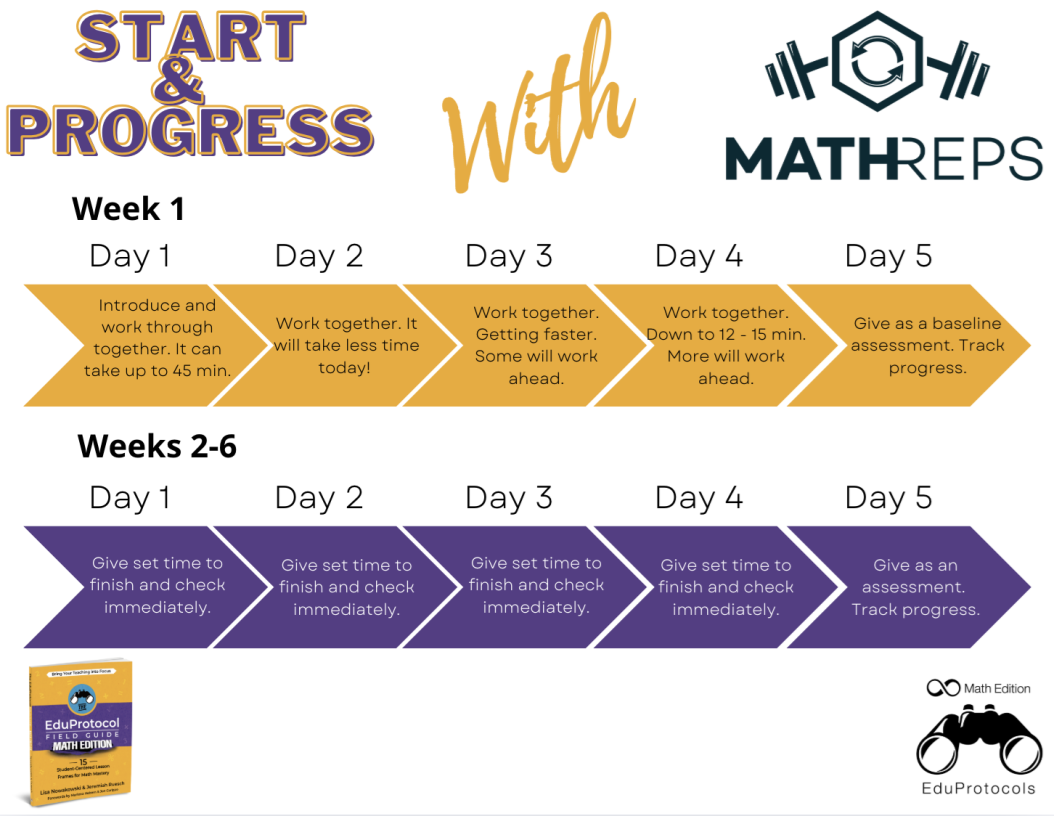
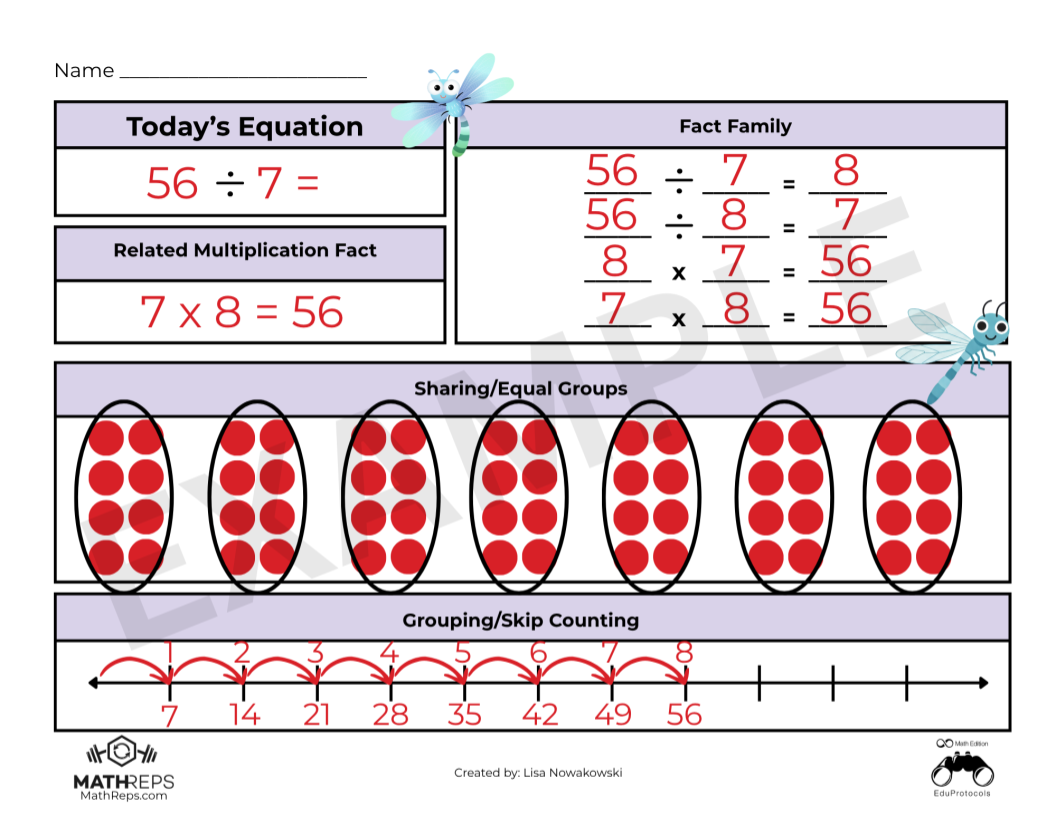
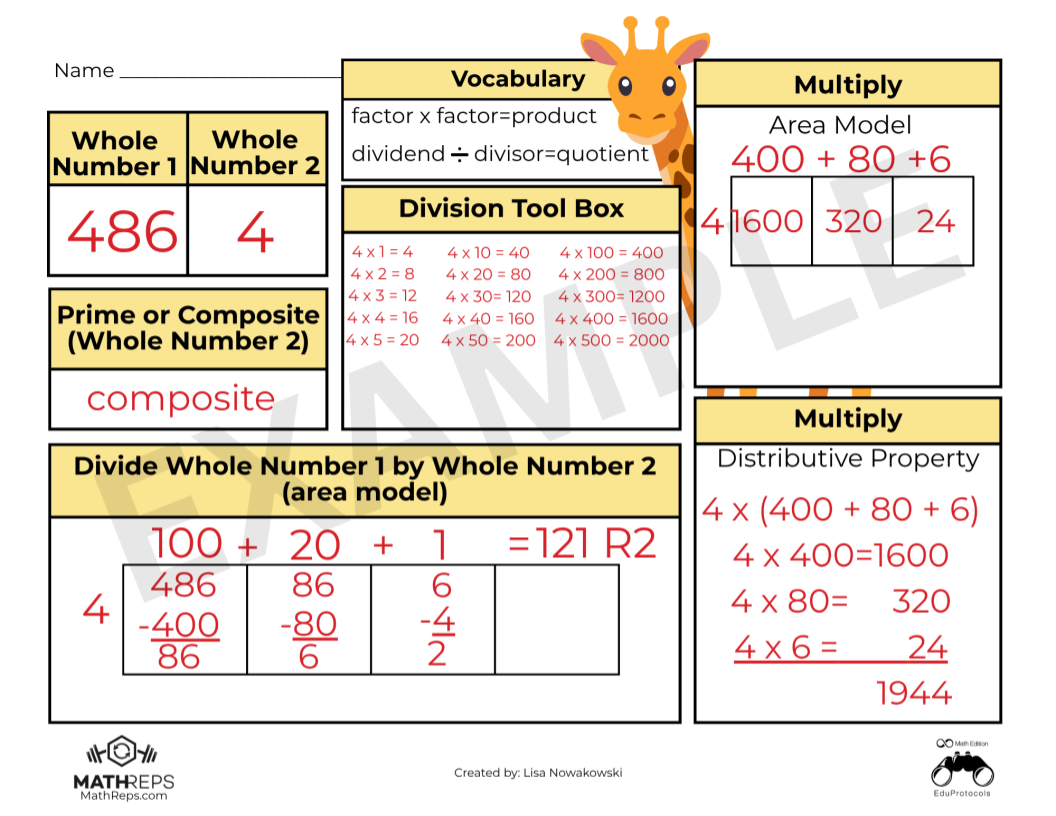
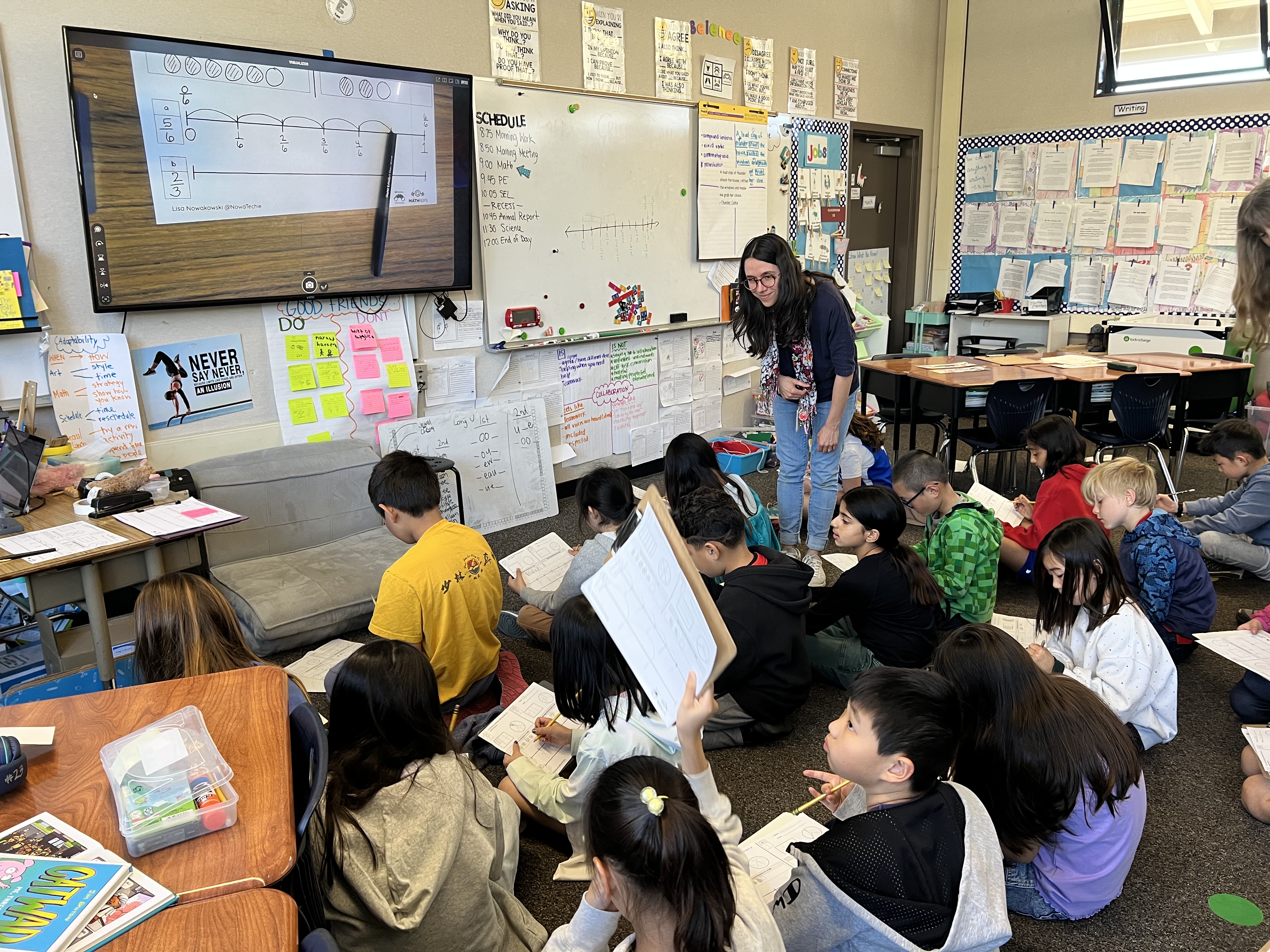
The best moments of my year took place directly inside classrooms, where I had the privilege of watching brilliant teaching across several grade levels. In Kindergarten, students were mastering foundational coding using Bee-Bots, while up in 5th grade, classrooms were diving into collaborative critical thinking through the Cyber Sandwich EduProtocol. As a Tech TOSA and instructional coach, my favorite days involved partnering with teachers to blend meaningful technology with powerful pedagogical frameworks. In one room, we paired MathReps with Wipebooks and Snorkl to make mathematical thinking visible and dynamic. In a 2nd-grade classroom, the students proved to be absolute rockstars in independent reading comprehension, leveraging Snorkl to capture their responses before seamlessly transitioning to choice boards to further explore topics independently.
Perhaps the most profound professional joy this year came from an instructional coaching cycle focused on student discourse with a 1st-grade teacher. By implementing just a few precise, intentional shifts, this teacher increased student-led discussion by an incredible 62% in a short six-to-eight-week period (I think it was six weeks, but I tell ya, it’s been a year). The transformation came down to a few key pedagogical changes: intentionally giving the students dedicated time to share ideas with one another before speaking to the whole group, and introducing structured sentence frames to support their developing language skills. The most rewarding part of this growth was that these targeted design shifts ultimately saved the teacher a great deal of time and energy, proving that shifting the cognitive load to our youngest learners is a win for everyone.
Beyond individual classrooms, our district has continued its steady journey into standards-based learning in mathematics. Refining our proficiency scales has brought massive clarity to our school sites. Through this ongoing work, our teachers now possess a much deeper understanding of the standards and a clearer picture of exactly what is expected of our students to build true conceptual understanding. Which led to many discussions as we evaluated which Math curriculums to pilot next year. On a professional level, I also adjusted to a new supervisor this year: our Director of Curriculum and Instruction. Navigating a change in leadership always requires a period of mutual adaptation.
Of course, a year rarely goes by without some friction, and it certainly wasn’t all smooth sailing. At the district level, it was a genuinely rough year marked by internal site issues that caused considerable unrest, leading to some contentious board meetings. Compounding this unrest was the sudden announcement that our high school district will unify with us within the next three to five years due to the desired unification of a neighboring town’s elementary district. (NOTE: our high school district is in charge of our town’s high school and the neighboring town’s). It is a massive undertaking, and the reality is that we simply are not ready and currently have no viable plan in place. To add to the complexity, our superintendent decided to retire this past spring. Because the announcement dropped so late in the school year, it left very little time for a thorough, comprehensive search for a new leader who is ready to take on both our internal site challenges and a looming district unification. As of today, the district has been in negotiations with one candidate, but that is as far as it has gone (as far as I know), leaving us entering the summer with real uncertainty about who will be leading our district forward.
Looking back at the year, it was a journey filled with intense ups and downs. Unfortunately, there were far more bumpy patches than smooth ones this year. While our absolute focus should always remain firmly on our students, the honest truth is that maintaining that focus can be incredibly difficult when there is so much systemic upheaval going on all around us. Some school sites felt this weight much more than others. It was a heavy, exhausting year for many.
Looking ahead to the upcoming school year, we have a major math pilot in place to evaluate two distinct approaches to conceptual understanding. We will be taking a deep look at Innovamat’s Thinking Math alongside Savvas’ EnVision, and I am eager to see how our teachers and students interact with these resources as we continue to refine our standards-based instruction.
Here’s to closing out year 31and to stepping into year 32 (YIKES). Seriously, though, how did so many years already pass by? It truly feels like I just started teaching ten years ago. Wherever the road leads and whoever steps in to lead our district, my hope is simply that this next year brings a little more stability and a lot more smooth patches for our district.







 Yes, I realize I’m waxing on about L and here’s why. L has run our school’s daily news all year – which is a news broadcast. She films, edits, and most recently, been in front of the camera. When I’m having issues with a computer/tablet she’s the first person I consult and she usually has the solution. She uses her phone as if it were a mini computer: downloading Google Classroom, working on assignments at home, using Raz-Kids, and other programs to help her succeed. She has helped her family to download and set up educational apps (on their phones) to help them be connected to Class Dojo and learn a new language. She ‘texts’ me via Google Hangouts (her school account) to ask school-related questions or just tell me that she’ll be out the next day.
