Alternative Assessments

It’s high time that we take control over assessments! For too long, we, as educators, have based our teaching on THE test. Sure we followed curriculum, but our assessments mimicked that of THE test. I, for one, am tired of being a slave to test makers. Not only do they get to decide how my students will prove their knowledge, they’re also making boku bucks off of the deal. I know, doesn’t sound right. I say, let’s start a revolution!

                            Say NO to the bubble!

Photo Credit: COCOEN daily photos via Compfight cc

I realize that the tests aren’t going away anytime soon, but that doesn’t mean I have to continue to be a slave to them. I believe that if I allow a student to show me their knowledge in the form of their choice, they will, in most cases, be able to transfer that knowledge to any meaningless, fill-in-the-bubble test.

There is a problem with this new way of thinking. I have to have buy in from administrators, parents, and students. They have to also see the value in alternative assessments. I have had administrators say that alternative assessments were good, but in reality, they weren’t okay with it all. I take part of the blame for this. I didn’t document the assessment properly. One particular assessment was when I had 2nd graders label the parts of a flower. The students created 3D flowers and labeled the parts with stickers. That was great, but the project then went home. What I SHOULD have done was to take video or pictures of the process and final products. But even then I’m not sure this particular administrator would have been convinced.

So what do I do now? I use web tools! There are a ton of free web tools that allow students to show their knowledge. As of late, I have been using: Go Animate!, Animoto, Voki, We Video, and upload videos straight to Vimeo (YouTube is blocked in my district), Edublogs, and house everything on my Google Site. I currently have students working together to create a website on decimals. Many of their assessments are being housed there. Soon, my students will archive their work on their own e-portfolio (Google Site). These are just a few of the tools that my students are using. They use them for all subjects. These are 5th graders, but have used Google Sites with 3rd graders. I would do this with almost any grade level. Look at the possibilities, not limitations.

Here a second language learner was able to explain how 6.42 rounds to 6.4 using Voki. She wrote it out and was able to type it in Voki. It is clear that she understands the concept, and it’s way more interesting to review than a boring piece of paper.

So let’s stand up, and show testing companies how REAL assessments look! Let the revolution begin.

2 Year Journey

I have been on an amazing journey over the last 2 years, educationally speaking of course. And the CUE Organization has had a large role in that. It began 2 years ago at my first CUE Conference. A friend, Pat, and I decided that we would like to attend Fall CUE in Napa, CA. First on our agenda was an all day Google Workshop. The workshop focused on passing the required tests in order to become Google Certified Trainers. It was also my first introduction to Alice Keeler and Danny Silva – Awesome Educational Heroes. To say that we were inspired, would be an understatement. At one point during the day, Pat and I looked at each other and vowed that that would be us one day (referring to Alice and Danny – Google Certified Teachers and AMAZING inspirations).
IEASC BadgeSo here I am 2 years later well on my way to inspiring others – hopefully. Since that first encounter, so much has happened. I try to make it to as many CUE events as possible. I signed up for the Innovative Educators Advanced Studies Certification (IEASC) classes – 1st Cohort, became a Google Certified Teacher, Google Certified Trainer, CUE RockStar presenter, CUEbie founder, and now I’m presenting at Fall CUE. I know things are just getting started, and I can’t wait to see where this road takes me.

I am still inspired by Alice and Danny, but my inspirations also include over 900 people. For it was at Fall CUE 2011 that I began to see and understand the power of Twitter. I really began to focus on growing my Twitter PLN within the last year. I have met, virtually and in person, the most amazing, inspiring, and awesome educators. I have had the privilege to learn from and present with many of my ‘Educational Heroes’.  As a result, my teaching has been reinvigorated. I am once again inspired to do amazing things in the classroom. As I prepare to present at Fall CUE 2013, I can only hope to be an inspiration to others.
Why Genius Hour

What is Genius Hour?

A fun, creative, messy, engaging, and active hour! This is a time for your students to research, learn, and construct what they are interested in. It’s an amazing time for all. Students are put in charge of their own learning experience for the hour. The teacher stands back and watches the students go! Student Presentations There are many resources to find out how to get started. Some are Kate Petty’s 20 Time In Education and Joy Kerr’s Blog.

Why I Chose to incorporate Genius Hour This Year

The shift to Common Core Standards invites creativity, freedom, and deeper thinking and understanding. I have long been an advocate of a student-centered classroom. Allowing students to discover and explore their passions is the epitome of a student-centered classroom. After reading about and attending conference sessions on the topic, I decided to give it a go. I shared my research and acquired knowledge with my principal, and he was on board. Once I understood what Genius Hour was, I realized that I had participated in this a few years ago – well, to some extent. 2 years ago, I showed my 3rd graders how to set up a Google Site. That year, I had 4 girls get together to create one site. They created bracelets, keychains, and necklaces. They sold their product at school and used their Website to promote their project. They took pictures, listed prices, and used a Google Form to take online orders. In the end, they raised $125 which they donated to St. Jude’s Children’s Hospital. After discovering that I had done Genius Hour before, I knew that I could do it, and that it would be successful. And I was right!

The First Few Weeks

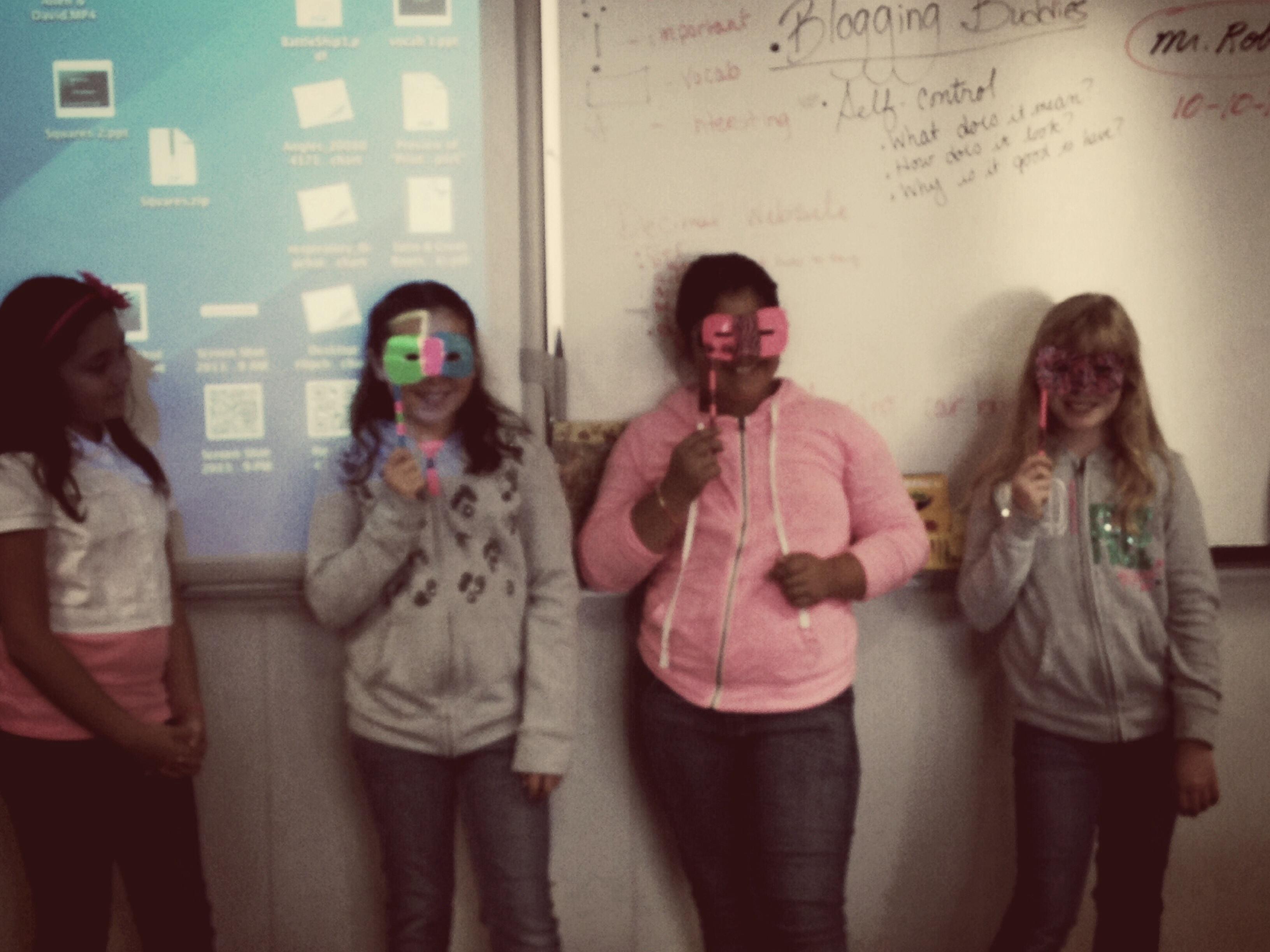
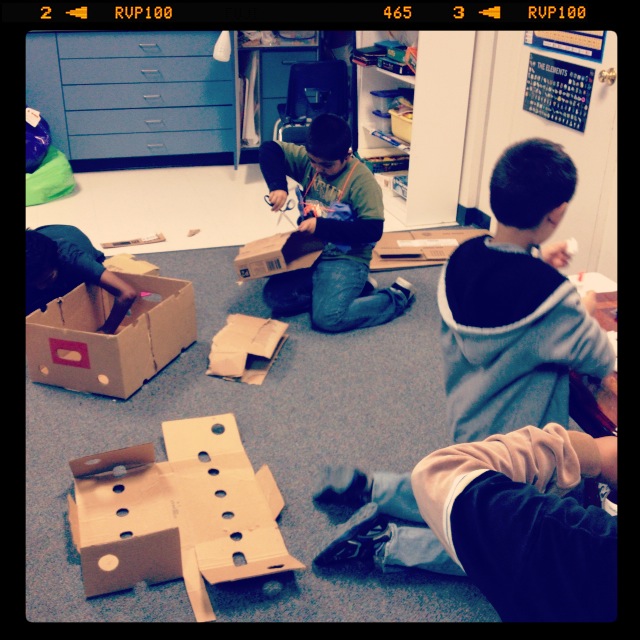
The first week was more of an explanation of what Genius Hour is. We created a Google Doc and brainstormed things that we were interested in. We looked at DIY.org for additional ideas. We watched a few videos that focused on students participating in Genius Hour. They were excited! Then came the first week students participated in Genius Hour…To say that they were a bit lost would be an understatement. They wanted to participate, but just weren’t sure how to get started. Some knew what they wanted to learn. Student 25 knew he wanted to learn more about D-Day. He immediately began researching and creating a diorama. However, most students were at a loss. I walked around in order to help guide students. THAT was the first week. Since then, productivity has improved – greatly. I now have a group of boys who work together creating structures in MineCraft, students who create ‘forts’ out of cardboard boxes (although I suspect they enjoy going in the recycling dumpster more than the creating), and a miriad of duct tape projects. It’s messy, noisy, and my favorite part of the week! Genius Hour

What Students Have To Say

One Friday before school, there was a small group of students in the classroom. They were hanging out and getting organized for the day. As they organized, one girl looked at another and asked, “What’s your favorite part of Fridays? Art or Genius Hour?” Without hesitation, the other girl answered, “Genius Hour.” The first girl agreed with her friend. Intrigued by this, I  asked why. I asked not only because I was curious (and secretly thrilled), but because the girls that were discussing it love art. To my surprise, they said all the things that I had read: it allowed them to “Do what we want”. Yeah, I was thrilled

Final Thoughts

If you’re not sure you should (or want) to start this in your classroom, just do it! You will be amazed and what the students will do. Here’s a glimpse of what might happen. This video was a Genius Hour project one week. A few girls decided to create an Animoto video on Genius Hour.

Awesome Explanation

I LOVE math! I really do. To me it makes so much sense. So for years I have asked my students to explain how they arrived at a certain answer in math. I know, totally doing Common Core before my time. Anyway, I was impressed by the use of academic language and the ease in which this student was able to explain her reasoning. What was more impressive, is that she wrote down her explanation before verbalizing it.

Here is Brooke telling me why there are more zeros in the product of 500 x 8 than 400 x 8

And to add to the awesomeness that is Brooke, she is our class’ first Aurasma Aura! If you’re not familiar with Augmented Reality (AR) or Aurasma, check them out! We took a photo of her & then overlayed the video. So parents & staff can subscribe to our channel and view our Auras, which will soon be all over the school!

To subscribe:

Pretty easy, and a great way to show off student work!